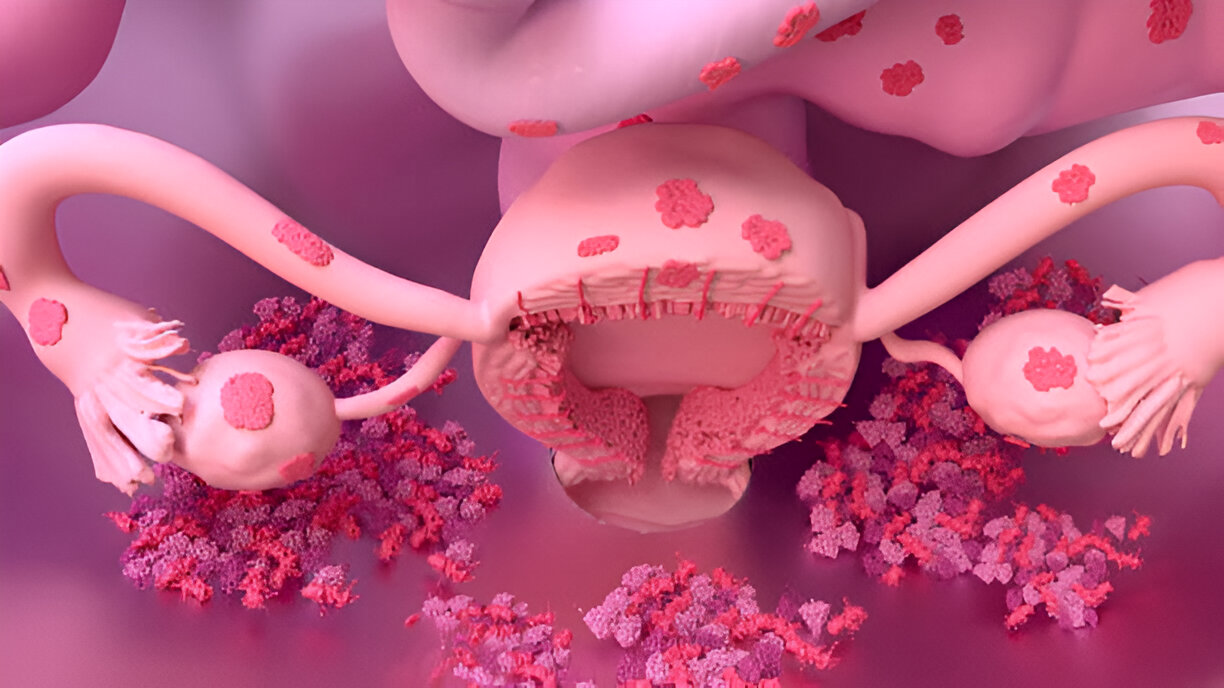
Uterine Fibroids: Early Signs Women Should Never Ignore
Uterine fibroids are among the most common gynecological conditions affecting women between the ages of 20 and 50. While many fibroids remain small and symptom-free, others may grow silently and lead to heavy bleeding, pelvic pain, fertility problems, and long-term health complications.
Recognizing the early warning signs is essential. Timely diagnosis and treatment can help women protect their reproductive health and avoid serious complications in the future.
What Are Uterine Fibroids?
Uterine fibroids, also known as leiomyomas or myomas, are non-cancerous growths that develop in or around the uterus. They may range in size from tiny nodules to large masses that can distort the shape of the uterus.
Their growth is influenced by hormonal imbalance, genetics, obesity, and lifestyle factors. Although fibroids are rarely cancerous, ignoring symptoms can significantly affect daily life and reproductive health.
Early Signs of Uterine Fibroids No Woman Should Ignore
1. Heavy or Prolonged Menstrual Bleeding
One of the earliest and most common symptoms of fibroids is heavy menstrual bleeding. Bleeding lasting more than seven days, passing large blood clots, or needing to change sanitary products every one to two hours may indicate fibroids.
Prolonged heavy bleeding can lead to anemia, causing fatigue, weakness, dizziness, and shortness of breath.
2. Painful Periods That Keep Worsening
Mild cramps during periods are normal, but severe pain that worsens over time should not be ignored. Fibroids may cause intense pelvic discomfort and pressure.
- Sharp lower abdominal pain
- Lower back pain
- Pelvic pressure
3. Abdominal or Pelvic Pressure
Large or multiple fibroids can press against surrounding organs, creating a constant feeling of heaviness or fullness in the lower abdomen. Some women notice abdominal bloating without actual weight gain.
4. Frequent Urination or Bladder Problems
Fibroids growing near the bladder may cause frequent urination, urgency, or difficulty fully emptying the bladder. These symptoms are often mistaken for urinary tract infections.
5. Pain During Sexual Intercourse
Fibroids located near the cervix or within the uterine cavity can cause pain during or after sex. Persistent discomfort during intimacy should never be normalized or ignored.
6. Constipation or Bowel Discomfort
Fibroids pressing against the rectum may lead to constipation, difficulty passing stool, or a sensation of incomplete bowel evacuation.
7. Unexplained Abdominal Enlargement
If the abdomen appears enlarged without changes in diet or exercise, fibroids may be responsible. In some cases, large fibroids can make the abdomen resemble early pregnancy.
8. Fatigue and Low Energy Levels
Chronic fatigue, pale skin, breathlessness, and reduced stamina may result from iron-deficiency anemia caused by heavy menstrual bleeding.
Why Early Detection Is Important
- Prevents severe anemia
- Reduces chronic pelvic pain
- Minimizes fertility and pregnancy complications
- Avoids the need for major surgery
- Improves overall quality of life
How Uterine Fibroids Are Diagnosed
- Pelvic ultrasound
- Transvaginal ultrasound
- MRI to assess size and location
- Blood tests to check anemia and hormones
Diagnosis is generally simple and painless. Early evaluation helps doctors choose the most suitable treatment approach.
When Should You See a Doctor?
- Heavy periods lasting more than 7 days
- Sudden pelvic or abdominal pain
- Frequent urination or constipation
- Pain during sex
- Difficulty conceiving
- Unexplained fatigue or dizziness
Conclusion
Uterine fibroids are common, but their symptoms should never be ignored. Early recognition of warning signs such as heavy bleeding, pelvic pressure, fatigue, and pain allows timely treatment and prevents complications.
With modern diagnostic tools and minimally invasive treatment options available today, women can effectively manage fibroids and lead healthy, pain-free lives. Listening to your body and seeking timely medical advice is the key to long-term well-being.