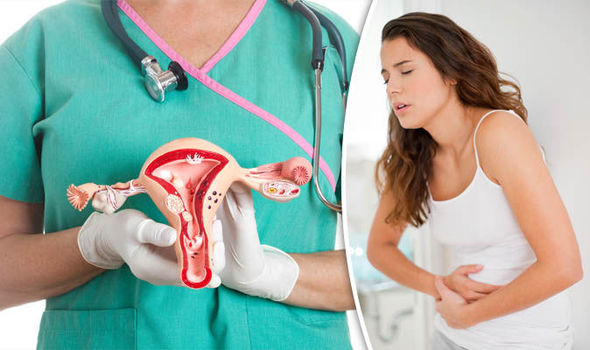
Cervical Cancer & Women's Health
We talk about heart health, skin glow, even mental wellness – but what about cervical health? Cervical cancer affects over 600,000 women each year globally, and in India alone, it's the second most common cancer in women. The good news? It's also one of the most preventable cancers, with regular Pap Smear, HPV vaccination, and a little awareness. This blog is your gentle nudge to understand, protect, and prioritize your cervical health — starting today.
Cervical Cancer & Its Causes
Cervical cancer starts in the cervix – the lower part of the uterus. It usually develops slowly from abnormal cells caused by persistent HPV infection, making HPV and cervical cancer closely linked.
The main cause is infection with high-risk Human Papilloma Virus (HPV). Other cervical cancer risk factors include:
- Early sexual activity
- Multiple sex partners
- Smoking
- Weak immune system
- Long-term use of oral contraceptives
Cervical Cancer Symptoms
In early stages, cervical cancer often shows no symptoms. As it progresses, women may experience:
- Vaginal bleeding between periods or after intercourse
- Pelvic pain
- Foul-smelling vaginal discharge
- Pain during intercourse
For women post-menopause, unexpected bleeding should never be ignored.
Stages of Cervical Cancer
Cervical cancer progresses in four main stages:
- Stage 0: Abnormal cells (precancer)
- Stage 1: Cancer limited to the cervix
- Stage 2–3: Cancer spread to nearby tissues or pelvic area
- Stage 4: Cancer has reached distant organs
Each stage determines the course of treatment options like surgery, radiation, or chemotherapy.
Screening & Diagnosis of Cervical Cancer
Cervical cancer screening tests help detect precancerous changes before they turn dangerous:
- Pap Smear: Detects abnormal cervical cells
- HPV Test: Identifies high-risk HPV infections
Following guidelines, women should begin screening at age 21. After 30, a combination of Pap Smear and HPV testing is recommended every 3–5 years.
Treatment of Cervical Cancer
The cervical cancer survival rate exceeds 90% in early stages. Even in advanced cases, timely and targeted treatment from the best cervical cancer doctors improves outcomes significantly.
Many women skip routine screening due to fear, lack of symptoms, or misinformation. But a routine cervical checkup can literally be life-saving. Whether you are 25 or 55, prioritizing gynecology care for cervical health ensures peace of mind and early intervention when needed.
The HPV vaccine for girls and women up to age 26 offers strong protection against the most dangerous HPV strains. Ideally administered before sexual activity begins, this vaccine plays a crucial role in prevention.
Conclusion
Cervical cancer may be silent at first – but your action doesn't have to be. A simple Pap Smear or HPV test takes just a few minutes, yet it can save your life. In a world where this cancer is both preventable and treatable, ignorance should never be the reason for suffering.
If it's been a while since your last checkup or you've never had one, this is your sign. Search for a “Pap Smear test near me,” book that appointment, and put your health first. Your future self will thank you.