Endometriosis: Symptoms, Diagnosis & Modern Treatments
Endometriosis is a common but often misunderstood condition affecting approximately 1 in 10 women of reproductive age. Despite its prevalence, many women go years without a proper diagnosis, living with pain that disrupts daily life. Understanding the symptoms, diagnosis, and modern treatments for endometriosis is key to early intervention and a better quality of life.
What Is Endometriosis?
Endometriosis occurs when tissue similar to the lining of the uterus (endometrium) grows outside the uterus. These endometrial-like tissues may attach to the ovaries, fallopian tubes, bowel, or pelvic lining, responding to hormonal changes by thickening, breaking down, and bleeding each month, just like normal endometrial tissue. However, since this tissue has no way to exit the body, it causes inflammation, scarring, and sometimes cyst formation.
Common Symptoms of Endometriosis
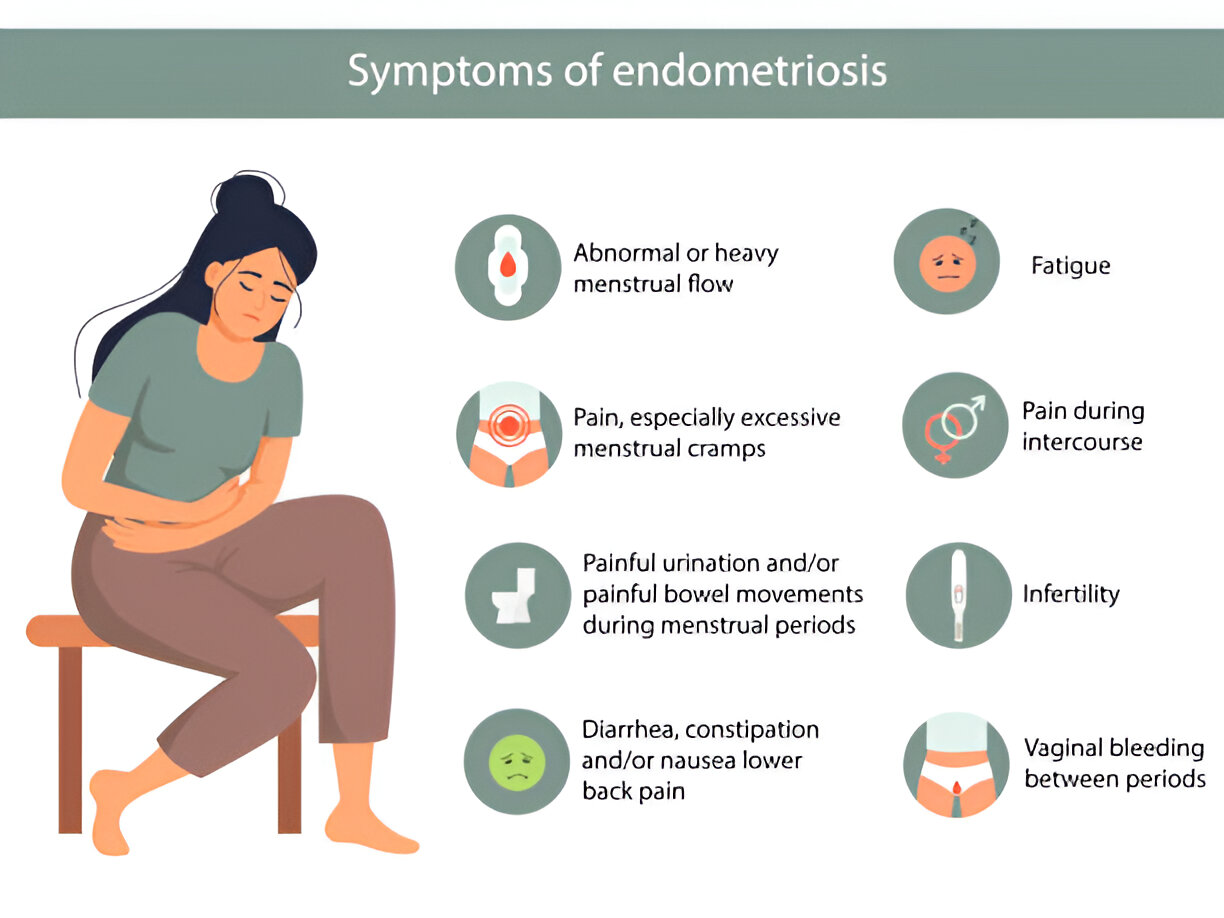
Symptoms can vary widely, and some women may have no symptoms at all. The most common include:
- Severe menstrual cramps that interfere with daily activities
- Chronic pelvic pain, especially before and during periods
- Pain during or after sex
- Pain during bowel movements or urination, particularly during menstruation
- Heavy or irregular menstrual bleeding
- Infertility or difficulty conceiving
- Fatigue, bloating, or nausea
Because these symptoms can mimic other conditions, endometriosis is often misdiagnosed or dismissed as “normal period pain.”
How Is Endometriosis Diagnosed?
A diagnosis often begins with a detailed medical history and pelvic exam, but these are not always conclusive. Imaging tests like ultrasound or MRI can help identify endometriotic cysts, but they can’t detect smaller lesions.
The gold standard for diagnosis is laparoscopy, a minimally invasive surgical procedure where a small camera is inserted into the abdomen to visualise and possibly biopsy endometrial tissue. While more invasive, laparoscopy not only confirms the diagnosis but can also provide immediate treatment during the same procedure.
How Is Endometriosis Diagnosed?
There’s no known cure for endometriosis, but several effective treatment options helps manage symptoms and improve quality of life:
Medications
- Hormonal therapies such as birth control pills, patches, or hormonal IUDs can reduce or eliminate menstruation, easing pain and slowing tissue growth.
- Gonadotropin-releasing hormone (GnRH) agonists can suppress estrogen production and induce temporary menopause, but are usually prescribed short-term due to side effects.
- Pain relievers, including NSAIDs like ibuprofen, can help with discomfort but don’t treat the underlying condition.
Surgical Options
- Laparoscopic surgery can remove or destroy endometrial lesions, providing relief from pain and improving fertility.
- In severe cases, a hysterectomy may be considered, although this is generally a last resort.
Lifestyle and Support
- Dietary changes, physical therapy, and stress reduction techniques can complement medical treatment.
- Support groups and counselling can also help women cope with the emotional toll of chronic pain and infertility.
Endometriosis is more than just “bad period cramps”—it’s a chronic condition that deserves attention, understanding, and proactive care. If you suspect you may have endometriosis, don’t ignore your symptoms. Early diagnosis and treatment can make a significant difference in your health and well-being.