PCOS vs PCOD: What’s the Real Difference?
PCOS and PCOD are two terms often used interchangeably, but medically they are not the same. Both conditions affect the ovaries and hormonal balance, yet their causes, severity, symptoms, and long-term health impact differ significantly.
Many women live with irregular periods, acne, unexplained weight gain, or fertility concerns without knowing the root cause. Understanding the difference between PCOS and PCOD is the first step toward better reproductive and hormonal health.
What is PCOD?
PCOD (Polycystic Ovarian Disease) is a condition in which the ovaries release immature or partially mature eggs. These eggs may later develop into small fluid-filled cysts. PCOD is largely influenced by lifestyle factors and is considered less severe.
Ovulation still occurs in many women with PCOD, which means natural conception is often possible with lifestyle correction.
- Poor diet and excess junk food
- High stress levels
- Sedentary lifestyle
- Obesity or sudden weight gain
What is PCOS?
PCOS (Polycystic Ovary Syndrome) is a serious hormonal and metabolic disorder that affects not only the ovaries but the entire body. It is associated with insulin resistance and elevated male hormones (androgens).
- High androgen levels
- Irregular or absent ovulation
- Insulin resistance
- Higher risk of diabetes and heart disease
- Increased chances of infertility
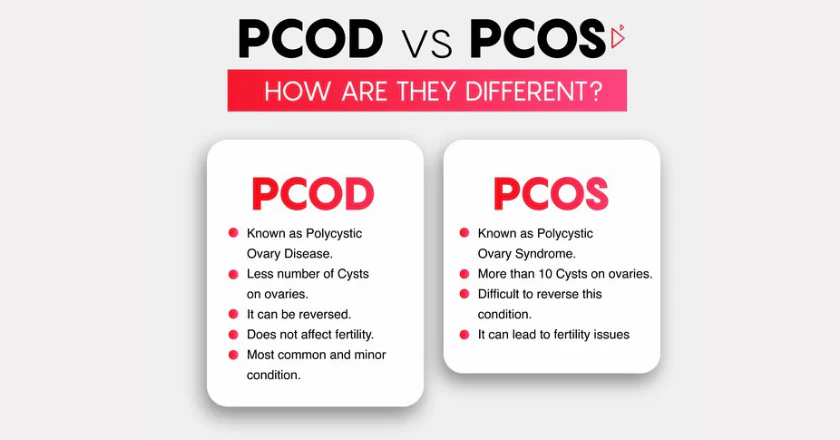
PCOS vs PCOD: Key Differences
- PCOD: Mild ovarian disorder, lifestyle-driven
- PCOS: Hormonal & metabolic syndrome
- Ovulation: Regular in many PCOD cases, irregular in PCOS
- Fertility: Usually unaffected in PCOD, challenging in PCOS
- Long-term risk: Low in PCOD, high in PCOS
Symptoms of PCOD
- Irregular menstrual cycles
- Mild weight gain
- Occasional acne
- Bloating
- Hair fall
Symptoms of PCOS
- Severe acne
- Rapid weight gain
- Excess facial and body hair
- Darkening of skin (neck & underarms)
- Missed periods for months
- Difficulty in conceiving
- Mood swings and fatigue
PCOS symptoms are generally more intense, persistent, and require long-term monitoring.
Diagnosis
Doctors may recommend ultrasound scans, hormone blood tests, insulin levels, and thyroid profiles. PCOS is diagnosed using the Rotterdam criteria, where at least two of the following must be present:
- Irregular or absent ovulation
- High androgen levels
- Polycystic ovaries on ultrasound
Treatment & Management
PCOD treatment focuses on lifestyle changes such as balanced diet, regular exercise, stress management, and weight control.
PCOS treatment requires a combination of medical therapy and lifestyle management, including hormone regulation, insulin control, and fertility support if needed.
Conclusion
While PCOD is manageable and often reversible, PCOS is a long-term condition that requires consistent medical care. Early diagnosis and timely lifestyle changes can prevent serious complications.
Listen to your body. Irregular periods, weight changes, or fertility concerns should never be ignored. Consulting a gynecologist early can help you regain hormonal balance and improve overall well-being.